 Nutrimatch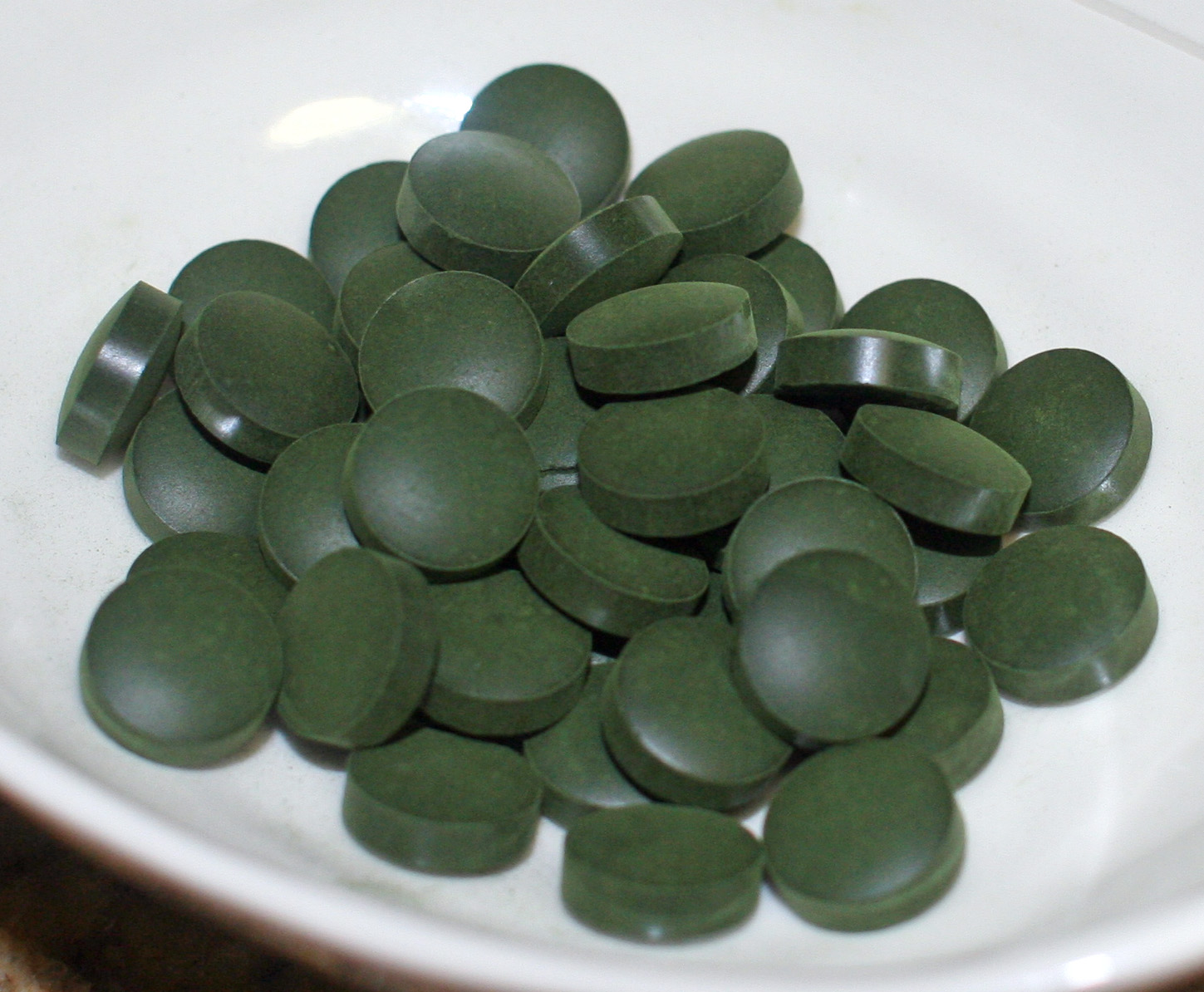
What the evidence actually shows
Spirulina is a blue-green algae that has accumulated a surprisingly substantial evidence base across several metabolic, immune, and antioxidant domains. The strongest current evidence supports reductions in triglycerides and improvements in oxidative stress biomarkers, with consistent trial replication for both outcomes.
The evidence is good for reductions in LDL cholesterol and total cholesterol, modest reductions in blood pressure, improvements in HbA1c and fasting blood glucose in pre-diabetes and type 2 diabetes, reductions in liver enzymes in non-alcoholic fatty liver disease, improvements in allergic rhinitis symptoms (notably nasal congestion and seasonal allergy markers), reductions in body weight and body fat in adults with overweight, and improvements in muscular endurance in athletic populations.
What spirulina does poorly is produce dramatic effects in any single domain. Like many whole-food-derived supplements, its action is broad and modest rather than narrow and strong. The effects on each individual outcome are smaller than what dedicated single-mechanism supplements typically achieve.
The form and quality matter substantially. Spirulina absorbs heavy metals and toxins from its growth environment, which is why source verification (clean cultivation, third-party testing) is important. Pharmaceutical-grade or standardised brands minimise the risk of contamination with heavy metals or microcystins (algal toxins).
How it works
Spirulina is roughly 60–70% protein by dry weight and contains a broad spectrum of nutrients: B vitamins (notably B12-like analogues), beta-carotene, iron, phycocyanin (the blue pigment, and a potent antioxidant), and gamma-linolenic acid (GLA, an omega-6 fatty acid with some anti-inflammatory effects).
The mechanistic picture combines several effects. Phycocyanin is a strong direct antioxidant that also inhibits NF-κB inflammatory signalling — relevant to the lipid, glucose, and allergic outcomes. GLA modulates inflammatory eicosanoid production, providing additional anti-inflammatory action. The protein content contributes to satiety and modest effects on appetite and body weight.
Spirulina also has direct effects on immune signalling — increased natural killer cell activity and modulation of cytokines including IL-4 (relevant to allergic responses). This is the basis for the consistent allergy and immune-related trial findings.
The breadth of mechanism explains why spirulina shows modest benefit across so many outcomes — it is a nutrient-dense whole food with multiple complementary effects, rather than a single-mechanism agent.
Who benefits most — and who should be cautious
The clearest beneficiaries are adults with elevated triglycerides or LDL cholesterol wanting a low-intensity adjunct, people with allergic rhinitis or seasonal allergies, adults with overweight, pre-diabetes, or metabolic syndrome looking for broad metabolic support, athletes and active adults seeking modest endurance benefits, and people with non-alcoholic fatty liver disease under medical guidance.
The case is weaker for healthy adults without identifiable metabolic, allergic, or inflammatory concerns.
The main cautions are source quality and a few specific medical contexts. Contaminated spirulina can carry meaningful heavy metal or microcystin loads — always choose third-party-tested products. People with phenylketonuria (PKU) should avoid spirulina because of its phenylalanine content. People with autoimmune conditions should be cautious because the immune-stimulating effects may theoretically worsen autoimmune activity.
Spirulina has mild blood-thinning effects relevant for people on anticoagulants, and may modestly lower blood pressure — relevant for people on antihypertensives.
How to take it
Form. Tablets, capsules, and powder. The powder is the most cost-effective form and integrates well into smoothies. Look for products with third-party testing for heavy metals and microcystins.
Dose.
- General metabolic and antioxidant support: 1–4 g/day
- Lipid support: 4–8 g/day for clinically relevant effect sizes
- Allergic rhinitis: 2 g/day, ongoing
- Athletic performance: 2–6 g/day
Timing. With or without food. Some people experience mild gastrointestinal symptoms on an empty stomach — taking with meals reduces this.
Be patient. Lipid and metabolic effects emerge over 8–12 weeks. Allergy effects emerge over 4–8 weeks of consistent use.
Common misconceptions
Spirulina is a complete B12 source for vegetarians. It is not. The B12 in spirulina is largely an analogue that is not biologically active for humans. Vegans needing B12 should use a true B12 supplement.
It's a miracle superfood. It is not. The effects are real but modest. Spirulina is best understood as a nutrient-dense adjunct, not a cure for any specific condition.
All spirulina is the same. It is not. Source water quality and processing standards vary substantially. Heavy metal and microcystin contamination is real risk with poorly sourced products.
Higher doses produce stronger effects. Above 8–10 g/day, additional benefit is small while gastrointestinal symptoms become more common.
It's stimulating like caffeine. It is not. Any "energy" effect comes from improved general nutritional status rather than from an acute stimulant action.
FAQ
How long until I notice effects? For lipids and metabolic markers: 8–12 weeks. For allergic symptoms: 4–8 weeks. Acute effects are not typical.
Can I take it instead of a multivitamin? Not really. Spirulina is nutrient-rich but is not a substitute for a balanced multivitamin. It works best as an additional source rather than a primary supplement.
Is it safe to take long-term? At standard doses with quality-verified sources, generally yes. Source quality is the more important long-term consideration than dose.
Does it interact with medications? With anticoagulants, antihypertensives, and immunosuppressants (autoimmune concerns). Mention regular spirulina use to your prescriber.
Is it safe in pregnancy? At modest doses (1–2 g/day) from verified-clean sources, generally yes. Higher doses and unverified sources are not recommended due to heavy metal and microcystin contamination risk.
Evidence grades and benefit rankings on this page are sourced from Examine.com, an independent research database with no industry funding.